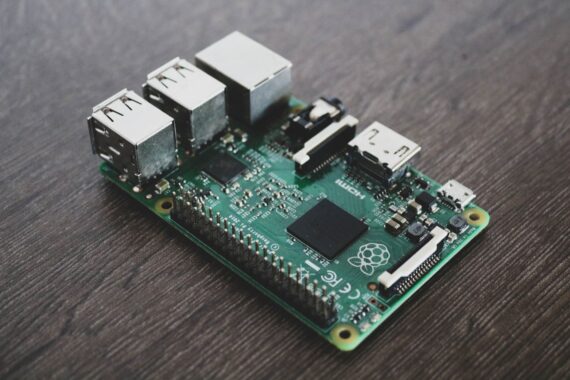
A critical command injection vulnerability has been found in Gladys Assistant, an open-source smart home platform that runs on Raspberry Pi and similar small devices. The vulnerability is tracked as CVE-2026-133500 and has a CVSS score of 9.1. Versions 4.71.0 and earlier are affected; the patched version is 4.72.0.
A flaw in the backup restore endpoint
The issue is in the platform’s backup restore API. A filename is extracted from the file_url value sent in the request, but the name is not sanitized. The resulting text is then inserted directly into the openssl, tar, and gzip commands. Because the Node.js-side exec() call runs the command through /bin/sh -c, semicolons and similar characters inserted into the address become new shell commands.
In the example provided in the developer’s bug report, a crafted address is enough to run the id command and write its output to a file. In other words, an attacker can run arbitrary commands on the server through the backup filename.
Who is affected and under what conditions
Exploiting this vulnerability requires a valid administrator account or that account’s authentication key. In other words, an attacker must first gain administrator access. But that’s no reason to downplay the risk: a compromised administrator account can run commands with full privileges on the server through the backup restore screen. Since the Node.js process runs as root in the official Docker image, the commands run as root inside the container as well.
Technical details about exploiting the vulnerability are publicly available. When combined with compromised administrator accounts, vulnerabilities like this are often used as a stepping stone to reach other devices on the home network.
What to do
If you use Gladys Assistant, check your version and upgrade to 4.72.0. The new version hardens the backup restore flow; the openssl call now runs with execFile, without shell interpretation. For Docker installations, updating the image and restarting the container is enough.
While you’re updating, review your administrator account too. Use a hard-to-guess password, avoid exposing the platform directly to the internet if possible, and put it behind a VPN or reverse proxy if you need remote access. Only restore backup files from addresses you trust.
Smart home platforms sit at the heart of the home network, so a vulnerability here can mean access to connected devices, from lights to locks. It’s worth applying the patch at the first opportunity rather than putting it off.
Source: GitHub · Gladys Assistant bug report · CVE-2026-133500

Share your experience
Bir sorunun, farklı bir çözümün veya eklemek istediğin bir notun var mı? Giriş yapmadan da yazabilirsin.