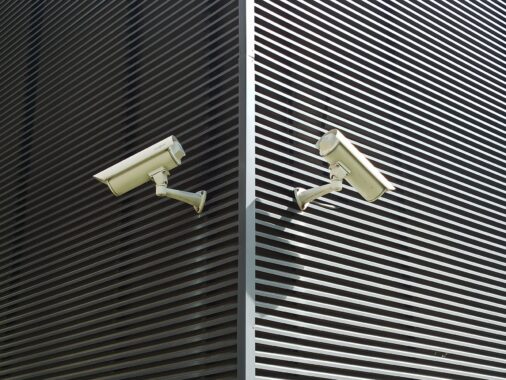
A critical security vulnerability has been discovered in D-Link’s DCS-935L IP camera, opening the door to taking over the device over the network. Tracked as CVE-2026-133680, the flaw is in the local recording interface in firmware version 1.10.01 and comes with publicly available exploit code. Worse, the product was discontinued in 2019 and reached end of support in 2021. That means an official patch is unlikely.
Where exactly is the vulnerability
The vulnerability is in the web/cgi-bin/localrecording/setconf.cgi file, in the loginRouter function of the Local Recording CGI component. When external input is provided in the username and password fields, the device turns it into an operating system command without sanitizing it. The result is a classic command injection (CWE-77 and CWE-78). The NVD record gives it a CVSS 3.1 score of 9.9; it’s network-accessible, has low attack complexity, and requires no user interaction. A low-privilege session is enough, and the score is higher because the impact extends beyond the device itself.
Why this matters so much
IP cameras are usually always on, and in many setups, port forwarding makes them directly accessible from the internet. In this case, command injection means an attacker can run arbitrary commands on the device: they could watch the live feed, delete recordings, add the device to a botnet, or use it as a jumping-off point for lateral movement across the home network. Since exploit code is publicly available, automated scans are expected to start soon.
No patch, but you can reduce the risk
According to D-Link’s product page, the DCS-935L was discontinued on July 24, 2019, and its end-of-support date was July 23, 2021. Support advisory SAP10461 also confirms that all revisions of the model have reached end of life; the manufacturer is no longer developing firmware for this device. So the steps to take are less about patching and more about limiting exposure:
- Remove the camera’s direct internet access: delete any port forwarding rules and allow access only from your local network.
- If you don’t use the local recording feature, disable it from the administration interface.
- Change the default password and restrict access to the administration interface to a single admin device.
- If possible, move the device to a separate VLAN and replace it with a newer model that is still supported.
If you’re still using the DCS-935L for recording at home, replacing it is the most realistic solution. This vulnerability won’t be patched, and the risk will remain as long as the device is exposed to the internet.
Source: NVD · D-Link Support

Share your experience
Bir sorunun, farklı bir çözümün veya eklemek istediğin bir notun var mı? Giriş yapmadan da yazabilirsin.