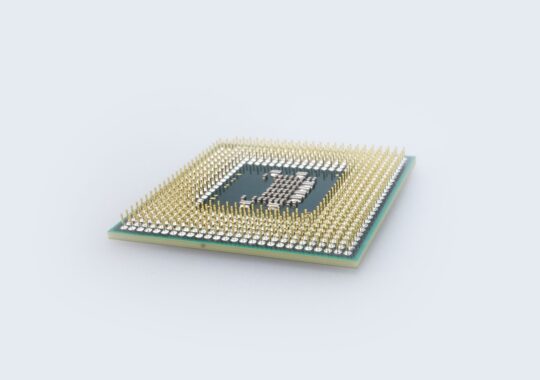
Nvidia’s dominance in China’s AI chip market has, for the first time, eroded in numerical terms. According to Reuters-based reports dated October 12-13, 2026, the company’s share of China’s AI accelerator market fell to 34%. This is the lowest level Nvidia has seen in China. At one point, the company alone controlled more than three-quarters of the country’s AI computing budget.
Huawei’s Ascend line is closing the gap
The name behind the share loss is largely Huawei. The company’s Ascend accelerator family is rapidly gaining ground in Chinese data centers. According to a June report by the South China Morning Post, order backlogs had formed on the Huawei Ascend and Cambricon lines; the newspaper announced it under the headline “domestic substitution is no longer a preference, but the default”.
TrendForce’s July 2026 research shows that demand has turned into a real budget line: the share of AI investments in Chinese data centers allocated to domestic chips had risen from 30% to 46%. The October figure reads like confirmation of this early warning.
The main channel of the share loss is bureaucracy
Nvidia’s shrinking in China is not tied to a single cause. There is a three-layer squeeze: the US export licensing regime, the fact that sales of the H20 chip have become effectively symbolic due to customs and “security review” processes on the Chinese side, and tender conditions that require purchasing domestic products. In other words, a significant part of the share loss comes not from Nvidia’s product performance, but from the gap created by the bureaucracies of the two countries.
Walls are being built on the software side too. Huawei is moving Chinese-made models onto its own CANN stack; the shift of the DeepSeek, Qwen and Moonshot line to this infrastructure means an exit door is opening for a customer base tied to the CUDA ecosystem.
For Nvidia, the real problem is not revenue, but position
Analyses suggest that what Nvidia is losing in China is not just revenue. The company’s business model relies on an ecosystem locked into its own software stack. Customers in China tied to CUDA now know they have a real alternative, and Nvidia has lost pricing power in this market. “Win back” scenarios for the Chinese market are also becoming increasingly unrealistic.
In the long term, a bigger risk is being discussed: if the Ascend ecosystem matures within China and expands into the Belt and Road geography, that is, third markets, what is happening will not be a share loss in a single country, but a split in AI infrastructure standards.
Source: WebTuring

Share your experience
Got a question, a different solution or a note to add?
Log in or join us to write a comment.
Log in ↗︎Sign up ↗︎